

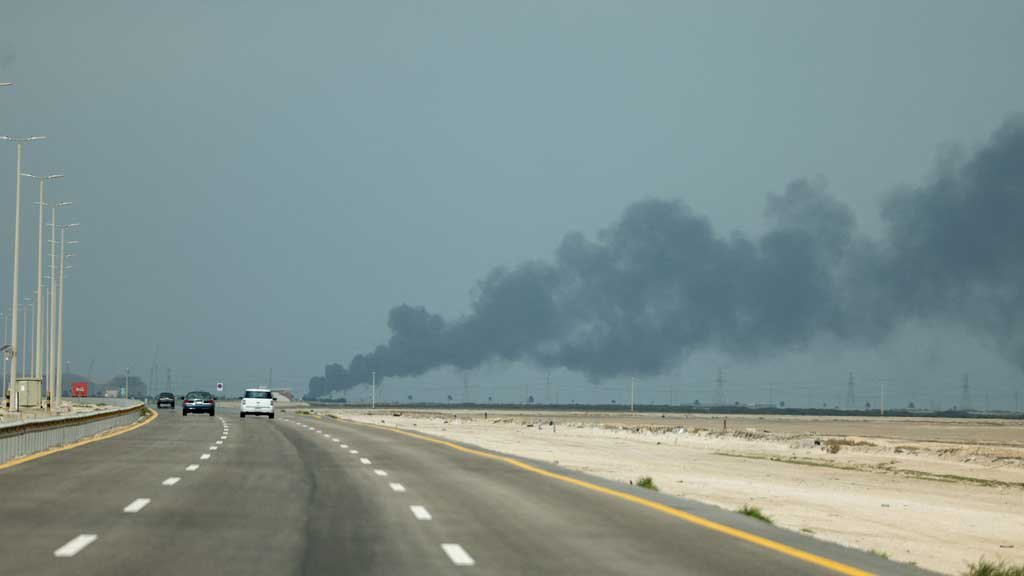
Attacks on Saudi energy facilities have cut the kingdom’s oil production capacity by around 600,000 barrels per day and throughput on its East-West Pipeline by about 700,000 bpd, Saudi state news agency SPA reported on Thursday, citing an official source at the Ministry of Energy.
The ministry source did not specify who launched the attacks, but Saudi Arabia has intercepted many Iranian missiles and drones in recent weeks. The latest attacks, including previous strikes on some facilities, also disrupted operations at key oil, gas, refining, petrochemical and electricity sites in Riyadh, the Eastern Province and Yanbu Industrial City, SPA said.
Saudi Arabia had not previously provided details about the impact to oilfield production, refineries and pipeline flow from attacks occurring during the US-Israeli war on Iran, which began in late February.
Benchmark Brent crude futures rose in post-settlement trade on Thursday after settling up $1.17 or 1.2%, at $95.92 a barrel.
“The East-West pipe is diverting so much of the Saudi crude not able to leave via the Strait of Hormuz,” said Kpler analyst Matt Smith. “Any pullback on volume is going to add to the tight situation. It is not great news for markets.”
The two-week ceasefire announced this week appeared tenuous at best, with Israel continuing its attacks on Lebanon and Iran showing few signs that it was lifting its near-total blockade of the Strait of Hormuz, conduit for nearly a fifth of global energy supplies.
With the strait blocked, the East-West Pipeline has been Saudi Arabia’s only crude export route. Reuters reported on Wednesday that Iran attacked the pipeline just hours after the ceasefire was agreed upon.